Skip to content
  • facebook.com
  • twitter.com
  • t.me
  • instagram.com
  • youtube.com
Electrical Engineering

Powering Knowledge. Engineering the Future.

Subscribe
  • Home
  • Online Tools
  • Electrical Engineering App
  • Home
  • electrical safety
  • Page 2
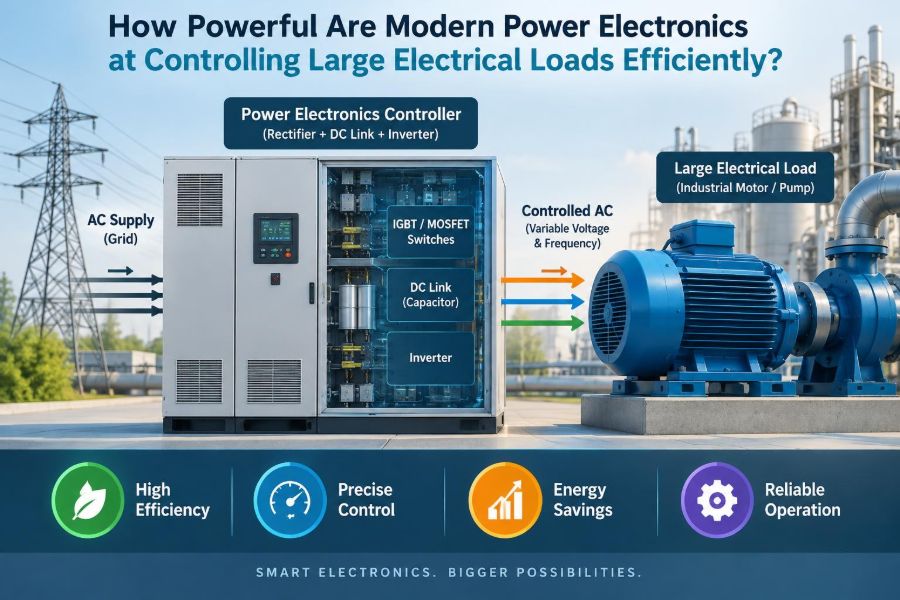
⚡ How Powerful Are Modern Power Electronics at Controlling Large Electrical Loads Efficiently?
Posted inFeatured

⚡ How Powerful Are Modern Power Electronics at Controlling Large Electrical Loads Efficiently?

Posted by admin October 16, 2026
From factory motors to train braking, modern converters shape huge flows of energy with fast switching and feedback. Learn the limits, trade-offs, and design details. ⚙️⚡🌍
Read More
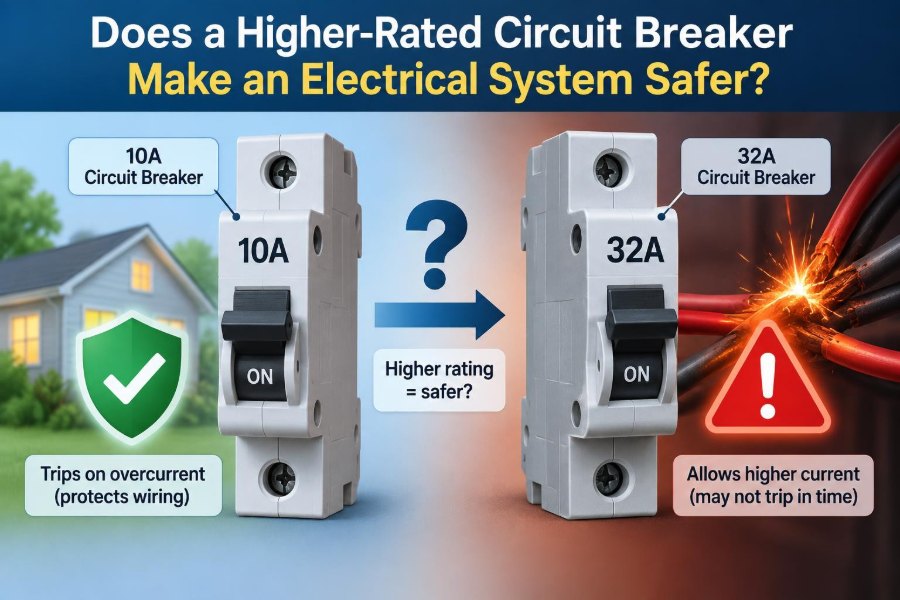
⚡ Debunking the Myth That a Higher-Rated Circuit Breaker Makes a System Safer
Posted inFeatured

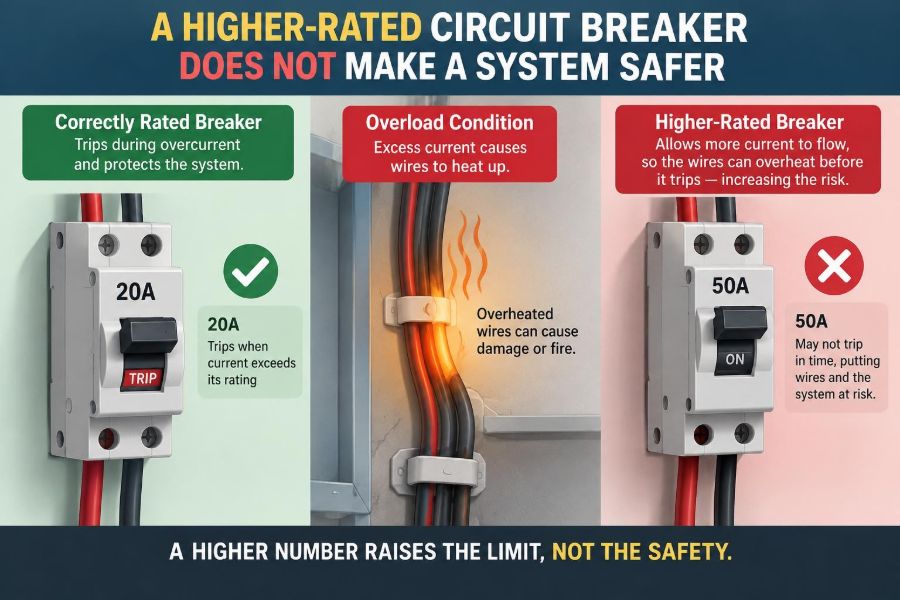
⚡ Debunking the Myth That a Higher-Rated Circuit Breaker Makes a System Safer

Posted by admin October 15, 2026
A higher amp rating may stop a breaker from tripping—but can also leave wiring underprotected. Learn what breakers actually protect and when an upgrade is valid. 🔧⚡🛡️
Read More
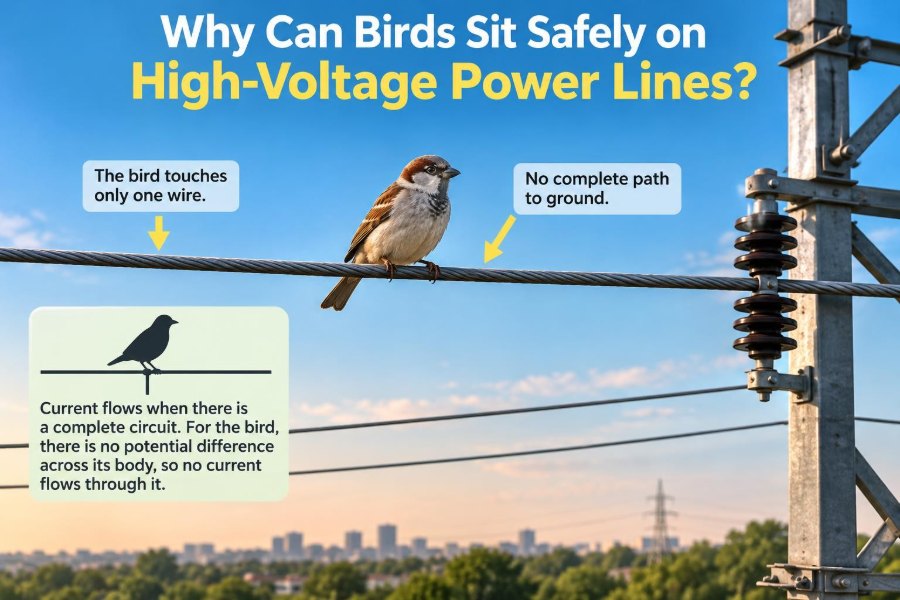
⚡ Have You Ever Wondered Why Birds Can Sit Safely on High-Voltage Power Lines?
Posted inFeatured

⚡ Have You Ever Wondered Why Birds Can Sit Safely on High-Voltage Power Lines?

Posted by admin October 9, 2026
A bird on a high-voltage line is not immune to electricity. Discover the circuit principle that protects it—and the exact contacts that make power lines deadly. ⚡🌍🔌
Read More
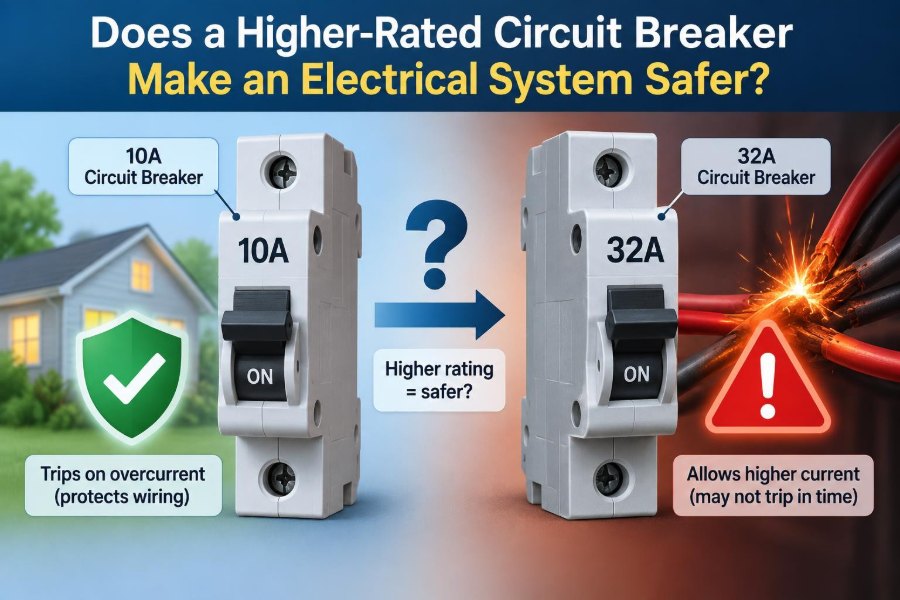
⚡ Does a Higher-Rated Circuit Breaker Make an Electrical System Safer?
Posted inFeatured

⚡ Does a Higher-Rated Circuit Breaker Make an Electrical System Safer?

Posted by admin October 8, 2026
A larger breaker may stop trips, but it can also let undersized wiring overheat. Learn what breaker ratings protect, when upgrades are valid, and what to check first. 🔌🛡️🔧
Read More
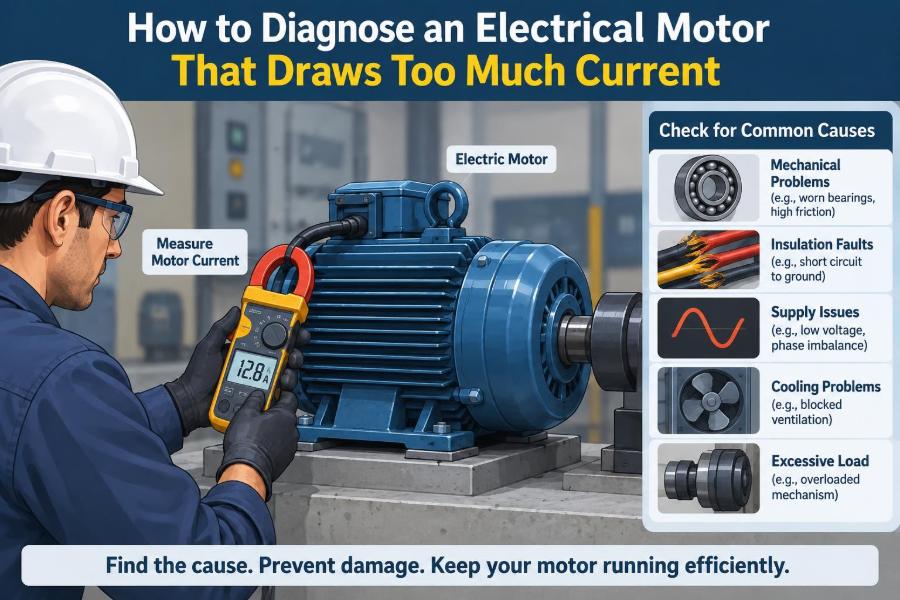
⚡ How to Diagnose an Electrical Motor That Draws Too Much Current
Posted inFeatured

⚡ How to Diagnose an Electrical Motor That Draws Too Much Current

Posted by admin October 7, 2026
A high amp reading may point to overload, low voltage, a failing connection, or a driven-machine fault. Learn a safe, systematic way to narrow it down. ⚙️📏🛠️
Read More
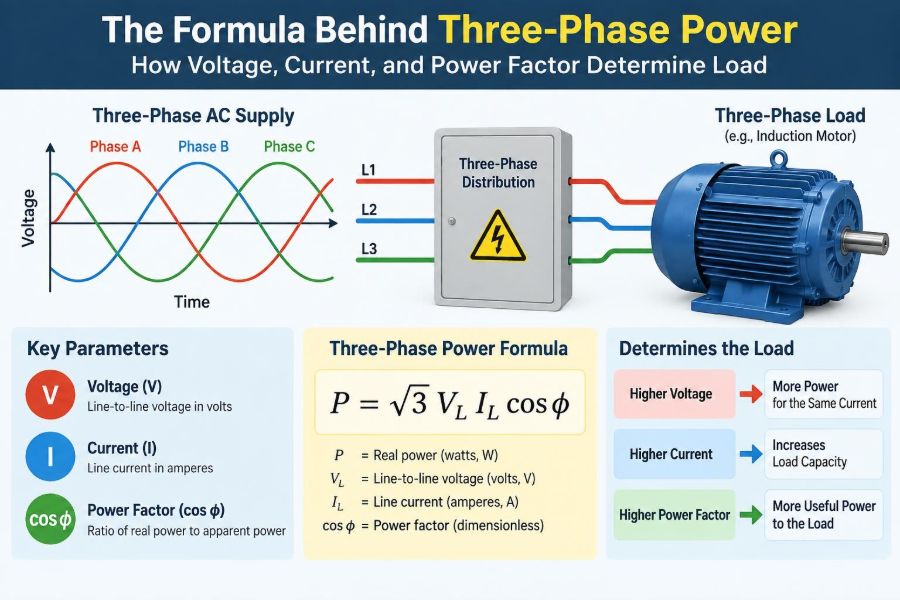
⚡ The Formula Behind Three-Phase Power: How Voltage, Current, and Power Factor Determine Load
Posted inFeatured

⚡ The Formula Behind Three-Phase Power: How Voltage, Current, and Power Factor Determine Load

Posted by admin October 6, 2026
Calculate three-phase current with confidence by connecting voltage, kW, kVA, efficiency, and power factor. Learn the assumptions that prevent costly sizing mistakes. 🔧📐⚡
Read More
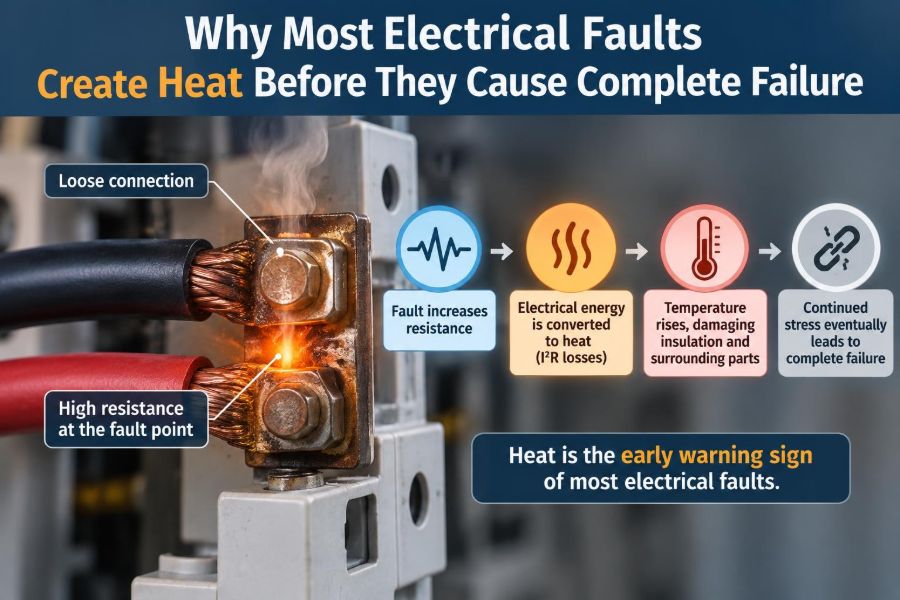
⚡ Why Most Electrical Faults Create Heat Before They Cause Complete Failure
Posted inFeatured

⚡ Why Most Electrical Faults Create Heat Before They Cause Complete Failure

Posted by admin October 4, 2026
A loose terminal or hidden overload can keep working while it quietly turns energy into heat. Learn what the warning signs mean—and when to act. 🌡️🔌🛠️
Read More
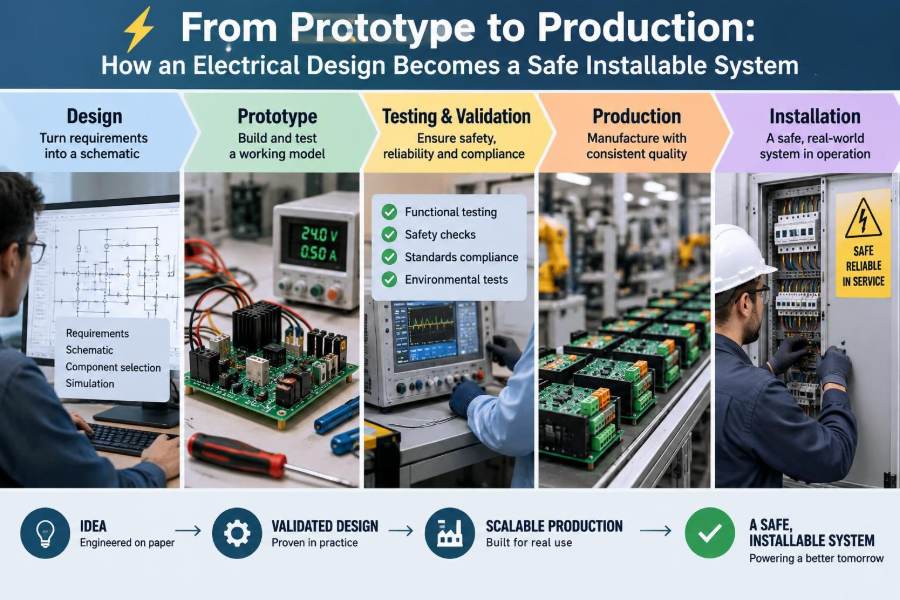
⚡ From Prototype to Production: How an Electrical Design Becomes a Safe Installable System
Posted inFeatured

⚡ From Prototype to Production: How an Electrical Design Becomes a Safe Installable System

Posted by admin October 3, 2026
A working bench circuit is only the beginning. Learn how protection, PCB layout, connectors, testing, and installation planning turn a design into a safe system. 🔌🛠️✅
Read More
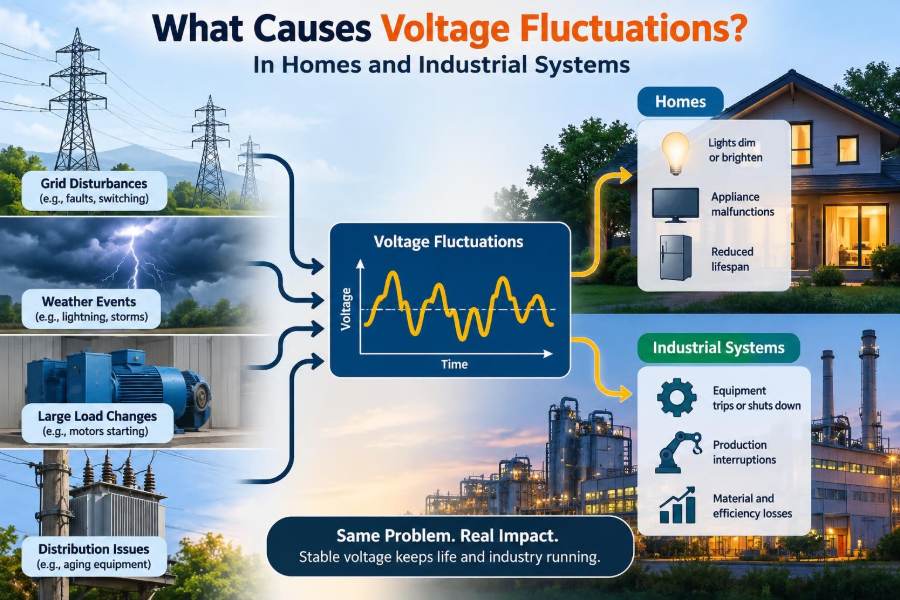
⚡ Why This Problem Happens: What Causes Voltage Fluctuations in Homes and Industrial Systems?
Posted inFeatured

⚡ Why This Problem Happens: What Causes Voltage Fluctuations in Homes and Industrial Systems?

Posted by admin October 2, 2026
A flickering lamp or resetting controller can reveal much more than a minor inconvenience. Learn the real causes of voltage dips, swells, and instability in homes and plants. 🔌🏭⚠️
Read More

Posts pagination

Previous page 1 2 3 4 5 Next page

Recent Posts

  • ⚡ Is It Worth Installing Power Factor Correction for a Small Industrial Facility?
  • ⚡ After a Power Failure: How Electrical Systems Restore Supply Safely
  • ⚡ Inside a Variable Frequency Drive: How Electronics Control Motor Speed and Torque
  • ⚡ How It’s Built: Inside a Modern Electrical Substation and Power Distribution System
  • ⚡ Which Approach Fits Motor Control: Direct-On-Line, Soft Starter, or Variable Frequency Drive?

Recent Comments

No comments to show.

Archives

  • October 2026
  • September 2026
  • August 2026
  • November 2025
  • July 2025
  • May 2025
  • March 2025
  • February 2025
  • January 2025
  • October 2024
  • February 2022
  • December 2021
  • November 2021
  • October 2021
  • August 2021
  • July 2021

Categories

  • Basics
  • Circuit Design
  • Design of electrical machines
  • Digital logic system
  • Display Technology
  • Electric Vehicle
  • Electrical Engg2
  • Electrical machines
  • Electricity
  • Featured
  • High voltage
  • Linear integrated circuits and applications
  • measurement and instrumentation
  • Medical Technology
  • power system
  • Power System Operation and Control
  • Protection Switchgear
  • Renewable Energy Systems
  • Telecommunication systems
  • Transmission and distribution
  • Uncategorized
Copyright 2026 — Electrical Engineering. All rights reserved. Bloghash WordPress Theme
Scroll to Top